Colorado · psilocybin · 6 days · 3 ceremonies · up to 20 people
Awaken
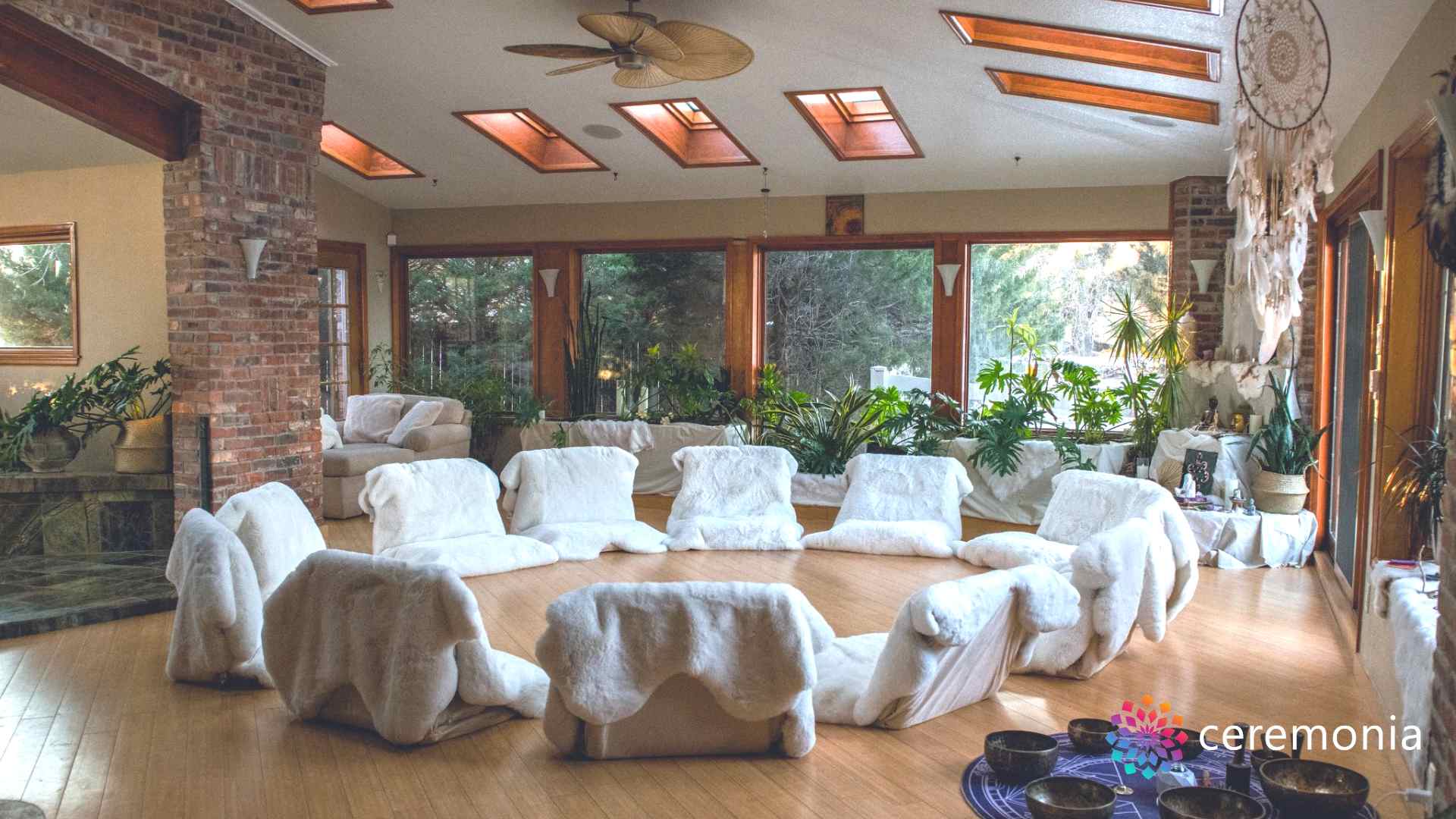
In Sedalia, Colorado, about 45 minutes from Denver International Airport. Most people's first journey.
Next journey begins
See Awaken
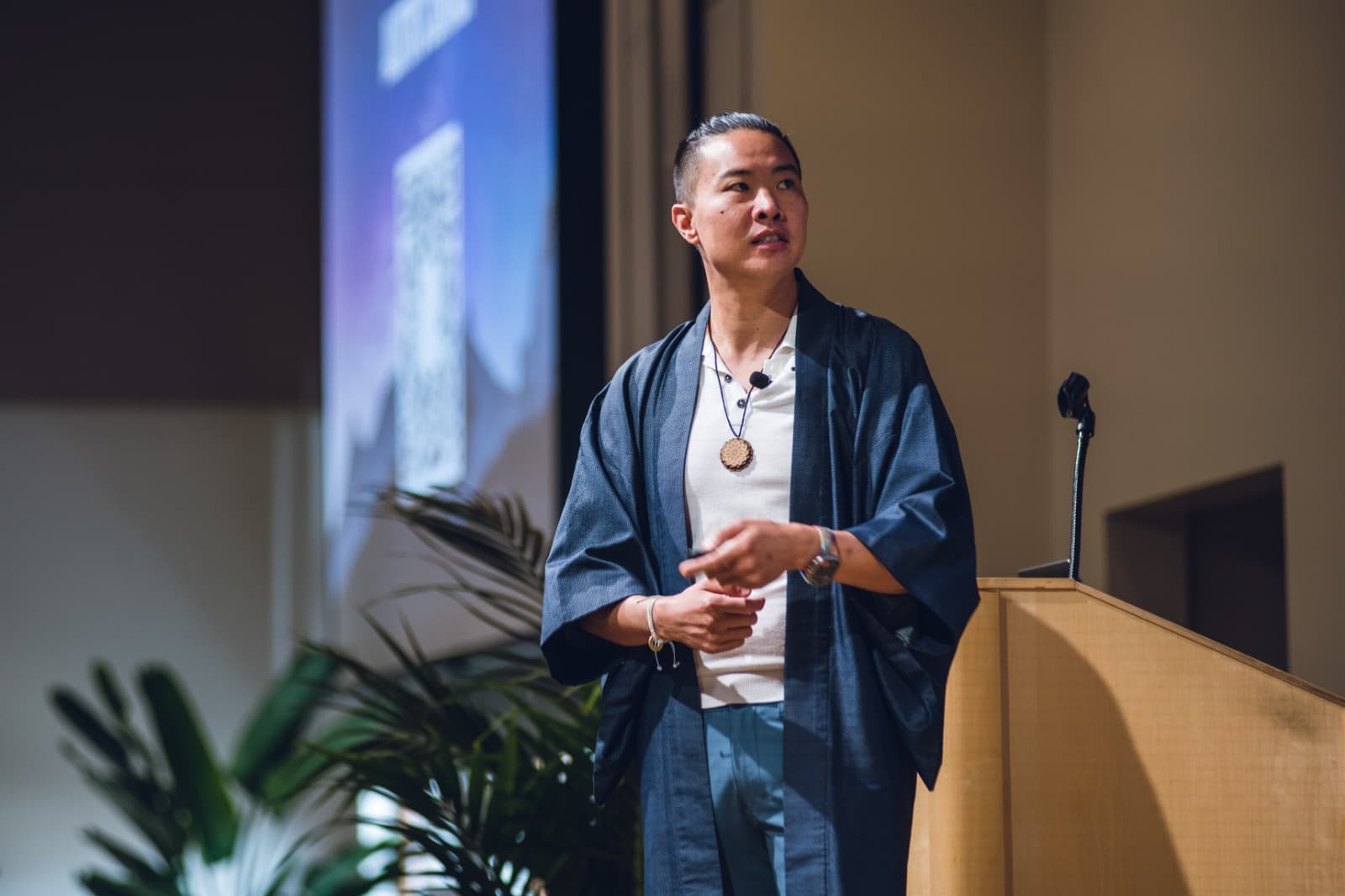
Why I started Ceremonia
From the outside, my life looked great. A successful business, freedom to travel, and an Instagram feed to prove it. In the privacy of my own heart, I didn't feel happy, and I didn't feel meaning.
My first ceremony was in the jungle in Mexico. I walked in with a chip on my shoulder. I'd had plenty of recreational experiences, so I figured I knew what this would be. I closed the laptop lid on the prep instructions and took a sip of my margarita right before going in.
I had no idea. That night changed the direction of my life, and I got lucky.
Since then I've been part of more than sixty retreats, and I've watched what preparation and people do. Ceremonia is what I wish I'd had that first night. In my TEDx talk I tell the longer version, and why this work goes best from the inside out.
Will Psychedelics Destroy Society? TEDxBoulder, September 14, 2024
The first worry
You're probably thinking plant medicine is for a different kind of person. I thought so too. I came in agnostic, bordering atheist.
Here's what changed my mind. Safety isn't something anyone can promise you. It's a set of things that happen before, during and after.
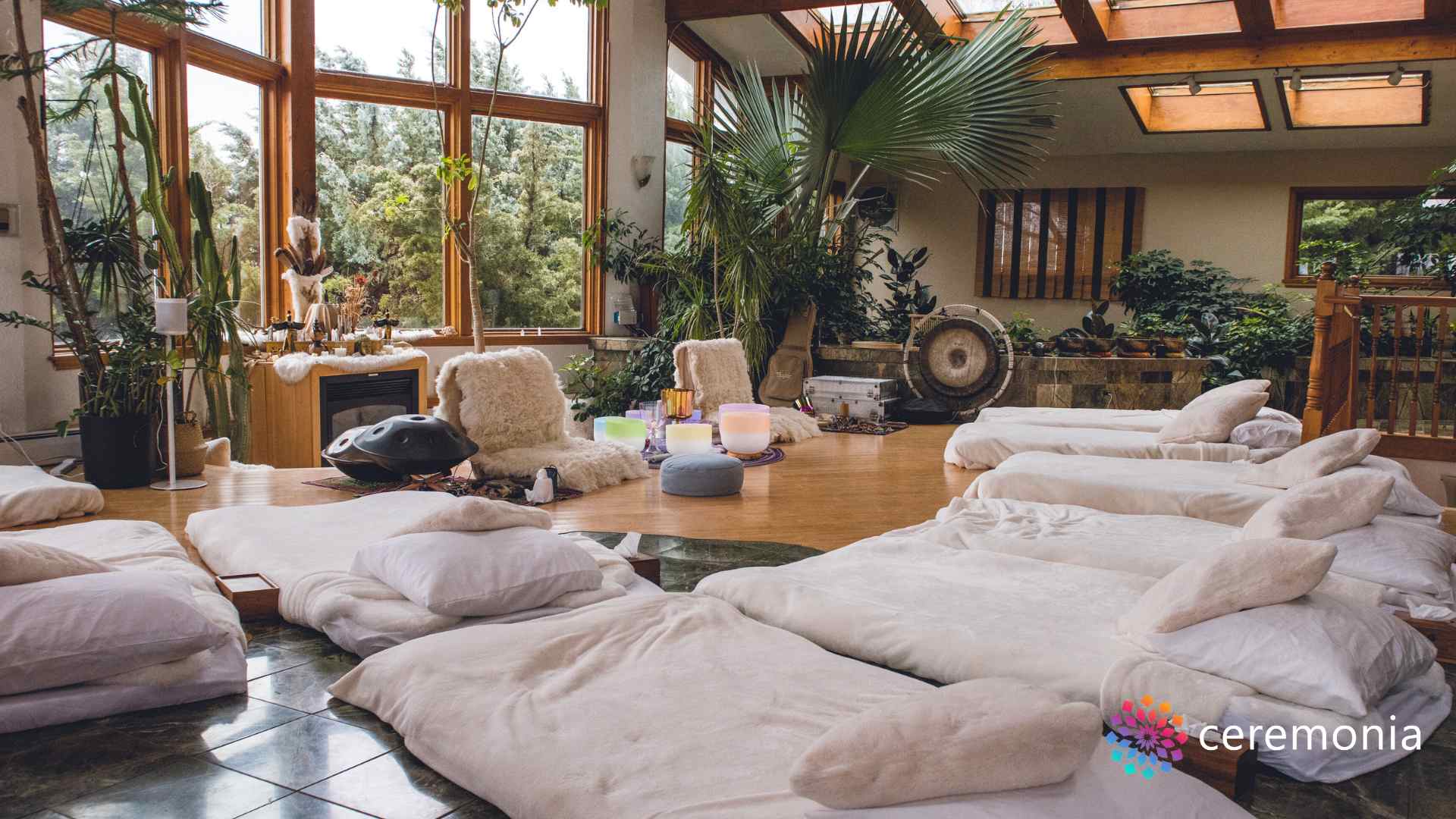
A free connection call, then a medical intake that our nurse practitioner reviews, every time. Your prescriber leads on any medication question.
A group of up to 20, at least one facilitator for every four participants, and a family nurse practitioner on site.
A month of integration, so what opened up has somewhere to go.
The foundational safety guidelines for psilocybin research (Johnson, Richards and Griffiths, Journal of Psychopharmacology, 2008) start with screening. So do we.
Then there's the safety no one can hand you. Outer safety is the people and the room. Inner safety is how safe you feel with your own emotions. The masterclass shows how we build both.
55 minutes on preparation, inner and outer safety, and what you carry home afterward. Free with your first name and email.
How screening and support workThe second worry
The fear I hear most is "What if I have a bad trip?" Here's what I've learned: much of what makes a trip hard isn't the medicine. It's a nervous system that doesn't feel safe.
Think of a day when something small, something that normally wouldn't bother you, suddenly blows up. In that moment, the trigger is bigger than your capacity to hold it. In ceremony, there's no off switch. Fighting it makes a hard moment harder.
Capacity is a skill. You build it the same way you build anything: practice, a little every day. People who arrive having practiced meet what comes up differently than people who arrive hoping.
So I made Have a Great Trip, a free six-week preparation course. One short module a week, a ten-minute daily sit, and one question you'll use everywhere: "What's that like?" It works whether your ceremony is next month or someday. No course can promise how a ceremony goes. It can help you meet it.
Start the Free CourseSix weeks, one module a week, free.
The third worry
You're probably thinking you can't disappear for a month, can't justify the cost, or don't have people at home who would get it. Fair. Here's how it works.
Preparation and integration happen online, from home. The in-person part is one week, with accommodation and meals included.
You pay nothing until you are accepted. If travel isn't possible yet, Awaken at Home gives you 12 weeks of live sessions, peer sessions and community from where you are.
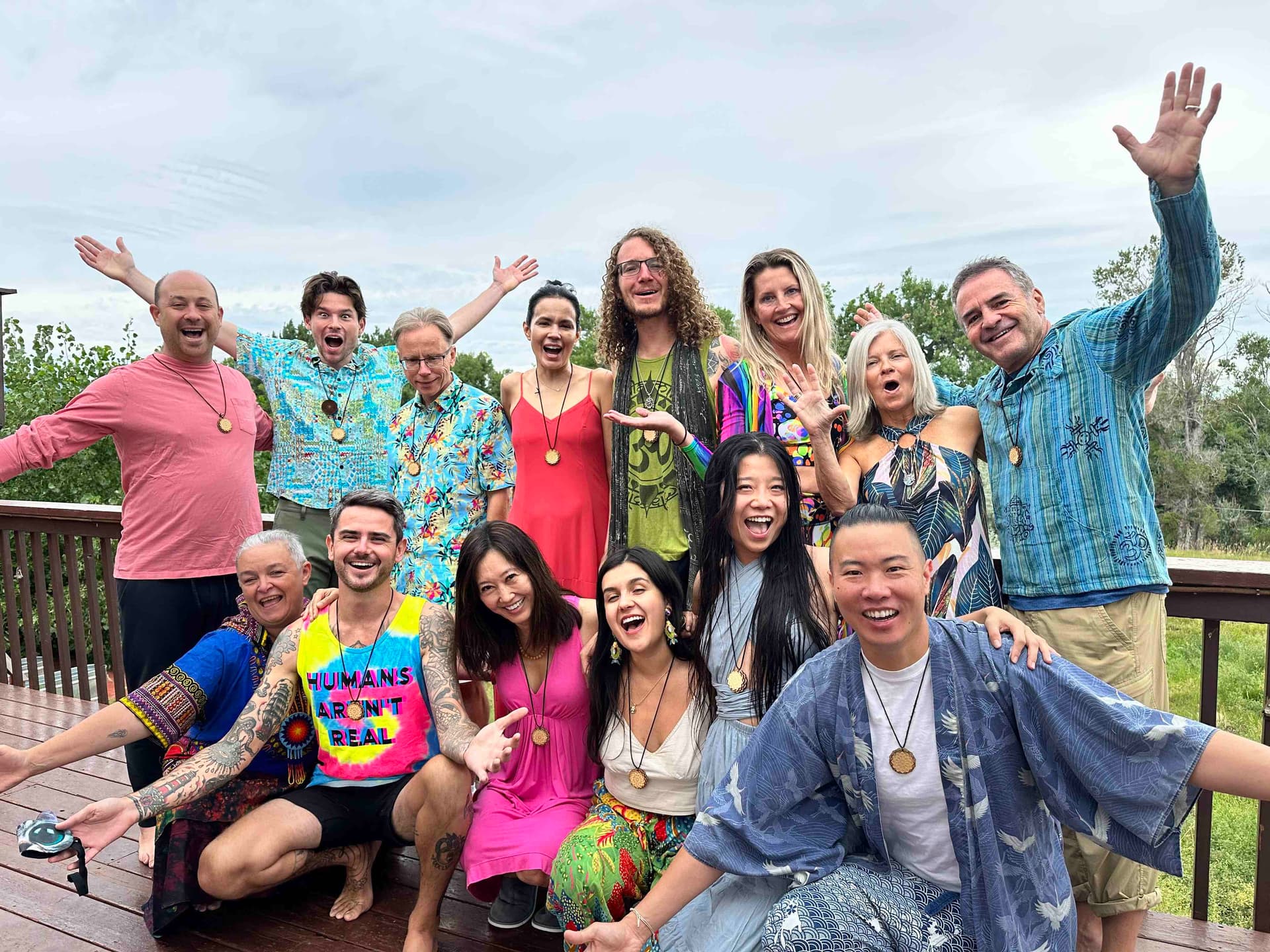
You go with a group of up to 20, and you come home to a month of integration and an alumni community that doesn't end when the retreat does.
In their words
Read and watch what they say, in their own words.
Read and watch reviewsJourneys
Every retreat comes with the same support around the ceremony. On the connection call, we figure out together which one fits, if any.
A free connection call with someone on our team.
Am I the right fit?
A medical intake our nurse practitioner reviews.
Is it safe for me?
One month of online preparation.
What if it gets hard?
The retreat week, with accommodation and meals.
What do I need to arrange?
At least one facilitator for every four participants.
Who is with me?
One month of online integration.
Will it last?
An alumni community for life.
What happens after?
Colorado · psilocybin · 6 days · 3 ceremonies · up to 20 people
In Sedalia, Colorado, about 45 minutes from Denver International Airport. Most people's first journey.
Next journey begins
See AwakenBaja, Mexico · ayahuasca · 7 days · 3 ceremonies · up to 20 people
Ceremonies are held by a traditional shamanic team, with Austin Mao, Kedar Shashidhar and Ethan Babbage.
See the next datesOnline · 12 weeks
A weekly 90-minute live session, a weekly 60-minute peer session, online coursework and a community. On its own, or after Awaken.
See Awaken at HomeYou pay nothing until you are accepted. The steps: connection call, application and medical intake, acceptance, deposit.
Book a Connection CallFree and confidential. About thirty minutes on what it's like to be you, and what you're hoping for. Someone on our team takes it.
Who guides you
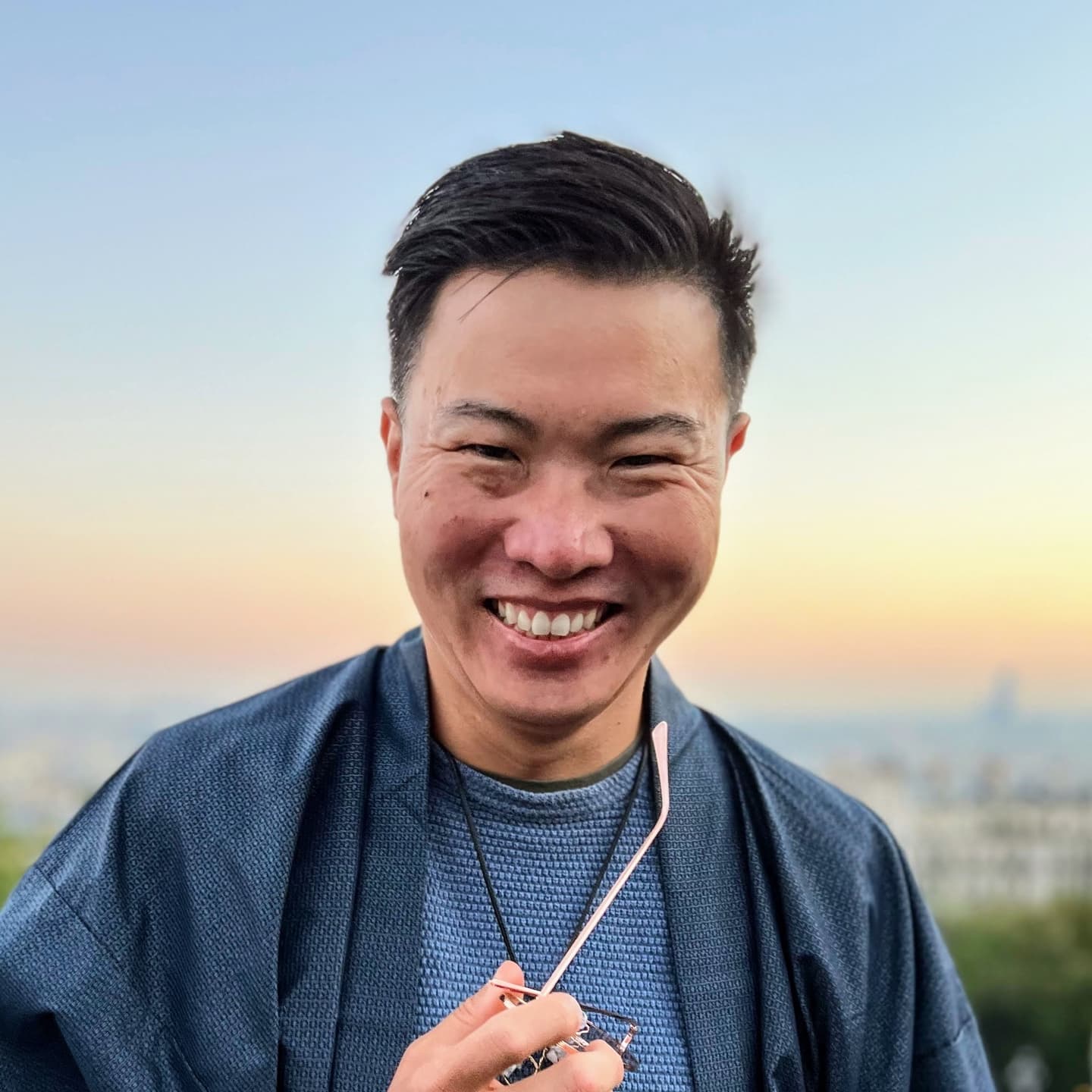
I'm Austin, co-founder of Ceremonia. I spoke at TEDxBoulder, and I host the Modern Enlightenment podcast. I went in a skeptic and got humbled, twice.
I don't do this alone. Austin Mao, Tamara Golden and Jo Ann Forristal each hold a Colorado natural medicine facilitator license. Jo Ann, a family nurse practitioner, is on site during the retreat.
We do not promise transformation. We do promise the integrity of the container.
Common questions
You don't need to have it figured out. Here are straight answers to what people ask before they decide.
We can't tell you that from a web page, and nobody should. Our nurse practitioner reviews every medical intake and decides each case. Some medications and health histories mean a retreat isn't the right step right now.
Maybe. Your prescriber leads. Never stop or change a medication on your own. A taper often takes one to two months, and our nurse practitioner reviews every intake.
Hard moments can come up, and that's part of why people come. You'll have practiced building capacity before you arrive. In the room there is at least one facilitator for every four participants, and a family nurse practitioner on site.
Ceremonia is a nonprofit. It isn't therapy and it isn't a clinic. The ceremony week sits inside a month of preparation before and a month of integration after, with a community that stays.
You pay nothing until you are accepted: connection call, application and medical intake, acceptance, then deposit. Room options are on the pricing page.
About four minutes: 10 questions plus a brief health check. You'll see your light and shadow, meaning the strengths and protective habits that may shape how you respond to life, and how that pattern can show up in preparation, ceremony and integration. It isn't a diagnosis, and it doesn't decide whether a retreat fits.
Our ceremonies are held as religious practice under the Religious Freedom Restoration Act (RFRA). Heal, in Baja, is not framed that way. More on Licensing and faith.
The connection call and screening are confidential, and the community is discreet.
Begin here
If safety is a practice, capacity can be built, and you don't have to do it alone, the only question left is where to start.
Start with the pattern you'd bring with you. Ten questions and a brief health check. You'll see your light and shadow, and how they may show up in preparation, ceremony and integration. It's free, it isn't a diagnosis, and nothing is decided for you.
About 4 minutes. We email you a summary.