The steps
1. Connection call
Someone on our team takes the call. It is free, confidential and about thirty minutes. We talk about why now, what you are hoping for, and what support you have at home. We listen before we recommend.
2. Booking
Your deposit holds your place. It is taken at booking, before screening. If our screening finds the retreat is not safe for you, you get a full refund of everything you paid.
3. Application and medical intake
You fill out your application and a medical intake. It covers your health history, your mental health history, and every medication and supplement you take.
4. Nurse practitioner review
Our nurse practitioner reviews every medical intake. If something needs a conversation with your doctor or prescriber, we tell you what to ask.
5. Acceptance
If we are a fit for each other, you are accepted. If not, we tell you why, honestly.
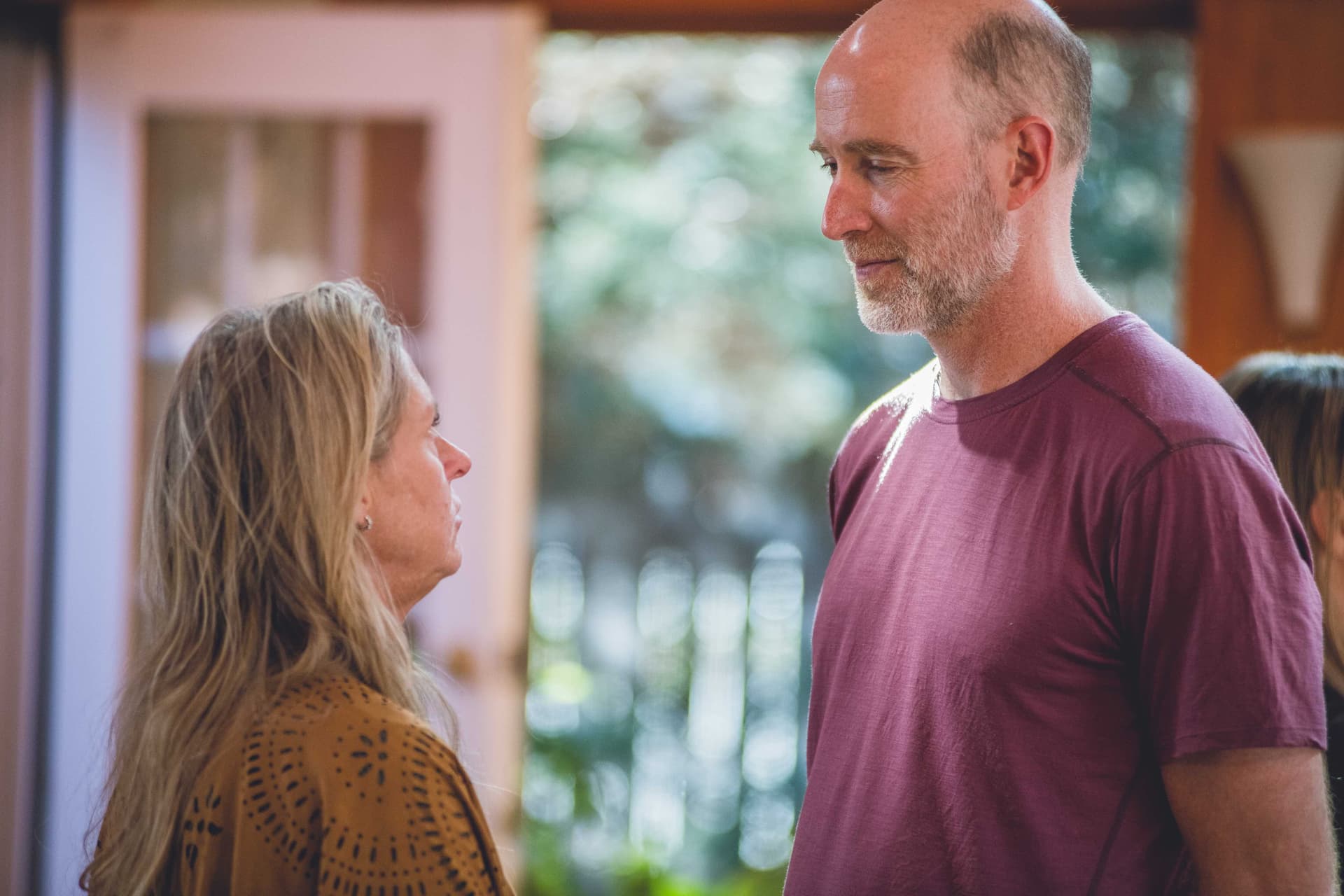
What our nurse practitioner looks at
This is the physical side of screening. We ask about your heart and blood pressure, your liver, any history of seizures, pregnancy, and everything you take. Most of it is a conversation, not a test. Our nurse practitioner decides each case.
Medications are a key part of this review. Your prescriber leads any medication change, and you never stop or change a medication on your own. If a change is needed, tapering often takes one to two months, so start the conversation early. The details are on the medications page.
The mental health side
A history of anxiety, depression or trauma does not automatically rule you out. What matters is how you are doing now, and whether you have support. We ask about it plainly and we keep what you tell us private.
Some situations call for more support than a retreat can offer, and active psychosis is one of them. Our medical team talks through your history with you during screening. If now is not the right time, we will help you find the right support first.
The full list of people we cannot hold is on the Safety page.
What to have ready for your intake
Prepare a complete list for your prescriber and screening team: prescribed medicines, nonprescription products, supplements, and substances used occasionally. Include names, doses, and when you last took them. Even a cough remedy or herbal product can be relevant to an interaction review.
Think about the support you have at home, too. We ask about it on the call, because whether you have support matters.
Bring your questions and your hesitations to your connection call.
What screening is not
- Not a sales call. Someone on our team listens before recommending anything.
- Not a test you pass with the right answers. Most of it is a conversation, and our nurse practitioner decides each case.
- Not the archetype quiz. It is a reflection, not a diagnosis, and it does not decide whether a retreat fits.
If we are not a fit right now
No shame. Not now does not mean not ever. We can point you to people who can help, and you can come back when things change.
- We tell you honestly why
- We tell you what would change the answer
- You are welcome to apply again later
What a screening conversation can clarify
Screening is a conversation about whether a particular setting can responsibly support you. Medical history, current symptoms, medications, prior experiences, and available support afterward can all affect that decision. A question that seems personal is an opportunity to give the team information needed to assess risk.
You can ask what happens to your information, who reviews it, and what the team does if there is uncertainty. If a retreat is not appropriate, that decision is not a judgment of your character or a prediction about your future. A clinician can help you consider other care and support.